This post contains affiliate links please see the Disclosure and Privacy Policy page for full disclosures here.

Anchor activities sounds very abstract, but all it is are those low prep learning actitivies that you can turn to when your plans fall apart!! Like the other day, when I had promised the kids a trip to the children’s museum… only to find out (after everyone was excited and ready!) that it was closed. We were all a little upset and sad, and instead of defaulting to a typical school day, I pulled out some fun, engaging activities to engage our brains. These anchor activities are either prepped ahead of time or easy to throw together using supplies I always keep on hand. When you offer your child something enjoyable to do—especially during a tough moment—it not only keeps learning going, but helps them manage their emotions and, as they say, turn lemons into lemonade.
Examples of low prep learning activities by subject
Literacy
- E-Reading Programs (we love Ello)
- Outdoor Phonics Games (you can see some here)
- Indoor Phonics Games (you can see some here)
- Dramatic Play Kits with reading and writing (you can see some here)
Math
- Pattern Blocks (we love this set)
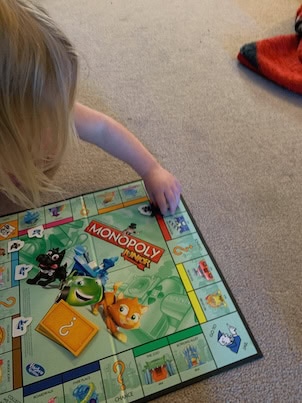
- Board Games for counting (see my favorite ones here)
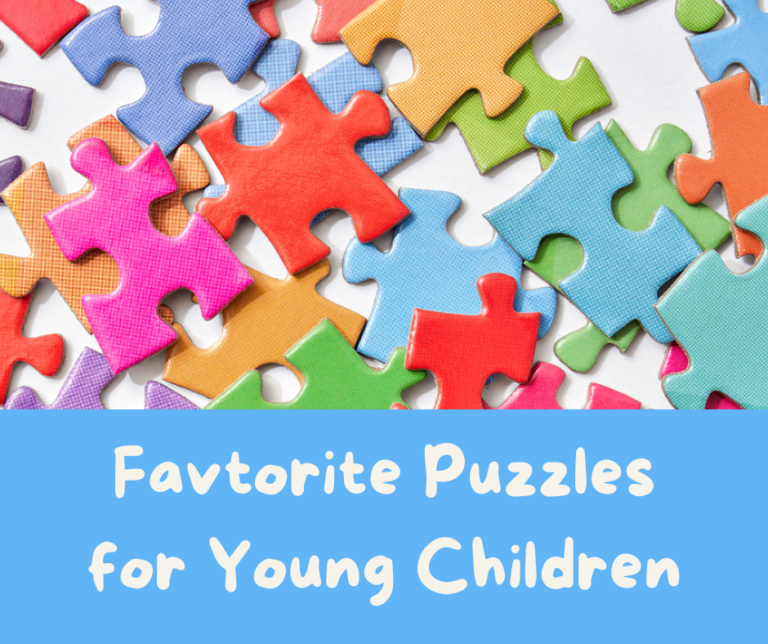
- Puzzles for cognative learning (my favorite ones here)
- Dramatic Play Kits for number sense/coins/etc. (you can see some here)
Science/Social Studies
- Nature walk (you can see some here)
- Learn about maps (my favorite map puzzle here)
- Science Toys (my favorite one for toddles and preschoolers)
- Sensory Bins (see my top sensory bins here)
Bible
- Teaching the Bible Curriculum (easy to pull out as needed-see more here)
- Good Samaritan Activity (see more here)
- Coloring Pages/Handwriting Page (see my TPT store)
How to prepare Anchor Activities

When it comes to low prep learning activities or anchor activities, I don’t store most of them in ready-to-go bins or boxes. Some families love that system, but for us, it would just clutter our already limited space. If you want to keep them pre-assembled, check out these bags! I focus on keeping the supplies organized and easy to access. So when plans change—like the day our trip to the children’s museum fell through—I can change directions fast. I put on a short show for the kids, grabbed what I needed for a quick sensory bin, and by the time the show ended, we were ready to play! I’ve actually found that storing supplies this way gives me more flexibility to mix and match our anchor activities based on the day’s mood and needs.
Let me know in the comments what you favorite anchor activities is.
Also check out my other ABCs of Homeschooling here!