This post contains affiliate links please see the Disclosure and Privacy Policy page for full disclosures here.
Play-based learning activities for toddlers and preschoolers are one of the most effective ways to teach new concepts. This is how young children naturally explore and understand the world around them.
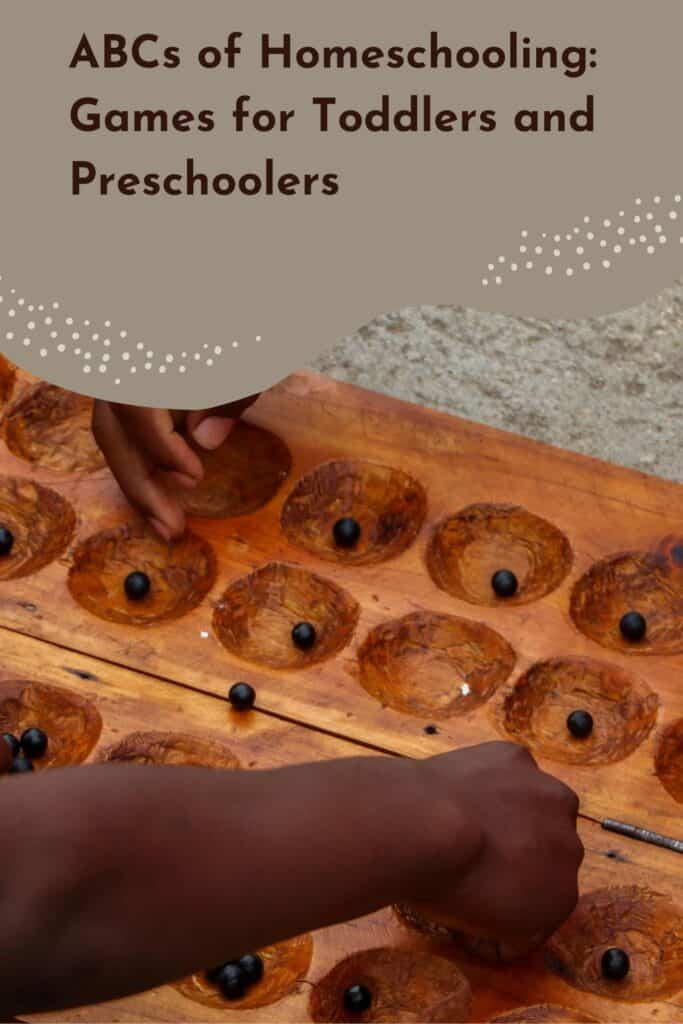
While screens can support learning in moderation, they aren’t the only option. Educational games for toddlers and preschoolers—especially hands-on ones—can make a big impact.
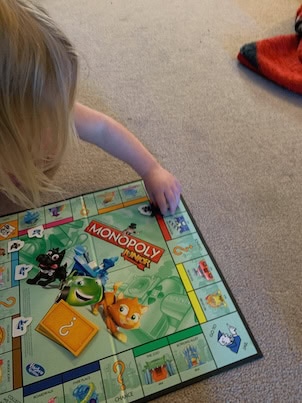
A simple board game or a DIY learning activity can turn into a powerful teaching tool. Even everyday moments can become meaningful learning experiences with just a little creativity.
What is play based learning (and why it works)?
Play-based learning activities for toddlers and preschoolers simply mean giving kids chances to learn by doing. This can happen in structured educational games, simple activities, or even through free play. Children are wired to learn best when they explore and experiment.
Free play is powerful. It helps kids discover new skills that can’t always be taught in a lesson. Structured play also has value, especially when you set up an engaging activity or educational game. The key is letting your child take the lead in the process.
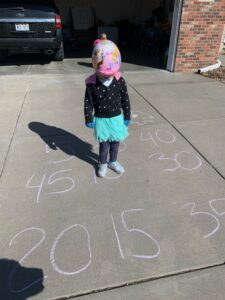
There are many developmental benefits to play-based learning activities. According to Headstart.gov, play supports growth in three big areas:
- Cognitive: problem solving, language skills, early academic concepts
- Social: cooperation, turn-taking, building relationships
- Physical: fine motor skills, gross motor development
How to use Educational Games and Activities for Toddlers and Preschoolers
Store Bought Games
Educational games for toddlers and preschoolers are a simple way to sneak in learning while having fun. Store-bought board games often teach skills without kids even realizing they’re practicing.
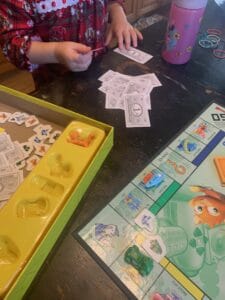
Candy Land is a favorite for reinforcing colors, counting, and one-to-one correspondence. It’s also perfect for introducing turn-taking. When we work on colors, this is the game I always pull from the shelf.
Monopoly Jr. is another strong choice when introducing money. It uses pretend bills, but it teaches counting, simple addition, and even the basics of making change.
If you’d like more ideas, check out our favorite educational games in the G is for Games article.
DIY Activities and Games
Play-based learning activities for toddlers and preschoolers don’t have to come from a store. DIY games and activities are just as valuable for development. They can be simple to set up and often use supplies you already have at home.
The best part is how flexible they are. You can adapt activities to your child’s age, interests, and skill level. A little creativity turns everyday items into powerful learning tools.
Phonics Play Ideas
Phonics activities are a great way to use play-based learning with toddlers and preschoolers. Letter hunts, matching activities, and movement games make learning sounds fun and memorable.
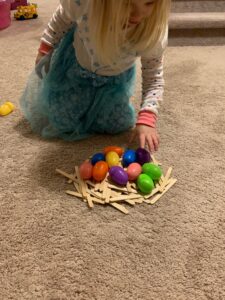
When phonics is playful, it becomes interactive and easier to remember. Kids enjoy the activity while also building a strong foundation for reading.
For more inspiration, check out my Super Easy and Fun Phonics Activities article.
Math Learning Activities
Math is another area where play-based learning activities for toddlers and preschoolers shine. Simple ideas like color matching or making a cereal graph turn everyday moments into learning. For bigger projects, you can even create your own Adding Machine.
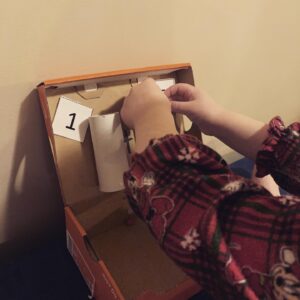
Hands-on practice makes math stick. Using manipulatives—objects kids can move, count, or sort—keeps little learners engaged. My favorites are everyday items like snacks, small toys, or even pretend jewels from our sensory bins.
These activities show that math doesn’t have to be worksheets. With playful practice, children build real understanding while having fun.
Tiips to Maximize Learning with Play (with games and activities)
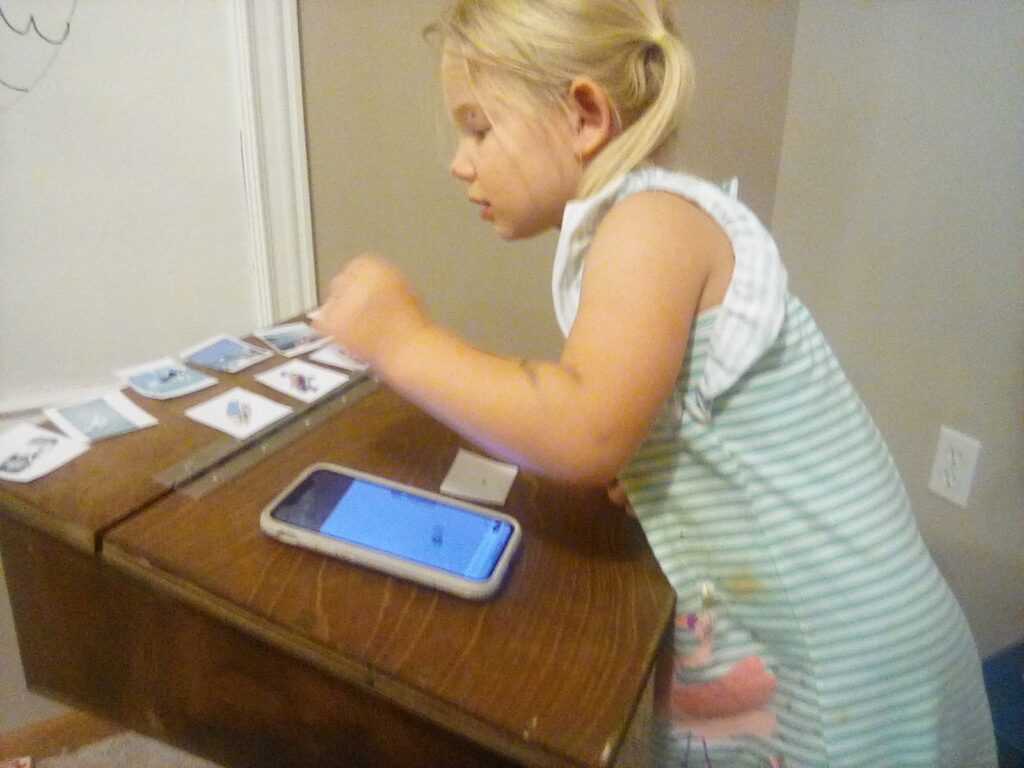
Here are a few tips to make the most of play-based learning activities for toddlers and preschoolers. These simple steps help keep educational games and activities fun and effective.
- Keep activities short, varied, and age-appropriate
- Follow your child’s lead and adjust as needed
- Celebrate effort, creativity, and small wins
- Play alongside your child to model skills
- Most of all—have fun together!
Play-based learning activities and educational games for toddlers and preschoolers do more than fill the day with fun. They spark curiosity, build confidence, and nurture skills that last a lifetime. The best part? They fit naturally into everyday moments, making learning feel simple and joyful.
I’d love to hear from you—what play-based activities or educational games does your child enjoy most?
Share your favorites in the comments so we can inspire each other with new ideas!