This post contains affiliate links please see the Disclosure and Privacy Policy page for full disclosures here.
What Are Fine Motor Skills?
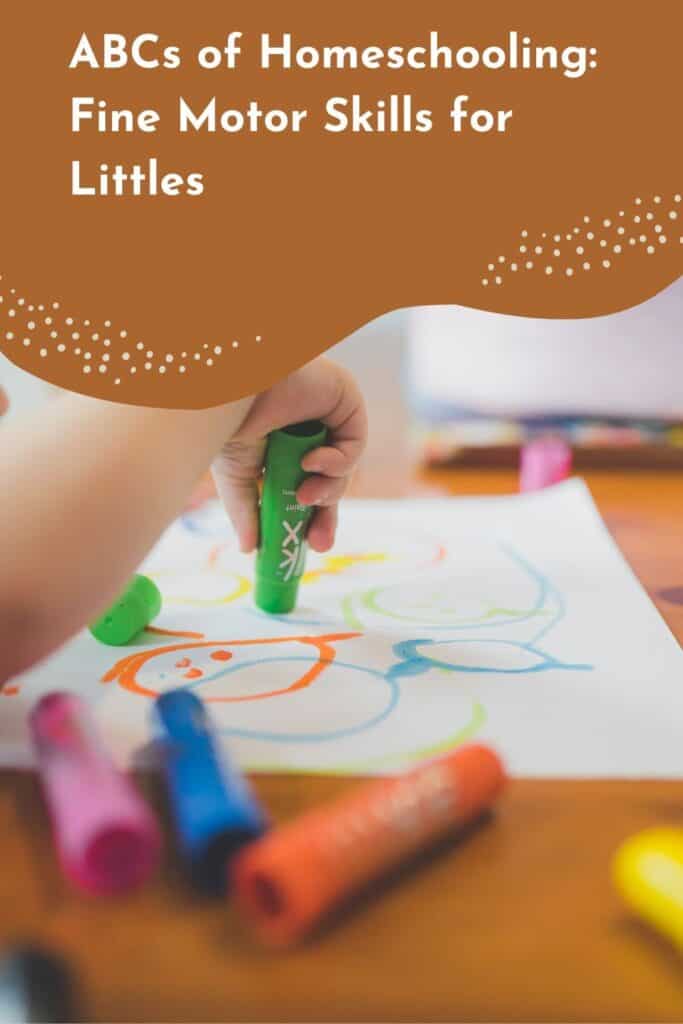
Fine motor skills are the small muscle movements in a child’s hands and fingers that allow them to perform everyday tasks. For toddlers and preschoolers, this includes zipping jackets, using utensils, holding crayons, tying shoelaces, and eventually, learning to write.
Developing these skills is essential for building independence and confidence in young children. Mastery of these abilities also plays a big role in school readiness, laying the groundwork for classroom tasks like writing, cutting, and organizing materials.
As your child grows, these early skills gradually develop into important kindergarten milestones. You can read about what’s typical at this stage—and what skills to practice—with the Fine Motor Skills Checklist for Kindergarten.
Why are fine motor skills important?
Fine motor skills are essential for building hand–eye coordination and bilateral control—using both hands together in a smooth, coordinated way. These foundational abilities support key tasks like writing, cutting with scissors, buttoning clothes, and more.
According to the CDC, these skills begin developing as early as 2 months old and continue to grow throughout early childhood. They’re closely tied to school readiness, cognitive development, and even emotional growth by encouraging patience and perseverance.

While these skills are often emphasized during kindergarten prep, it’s never too early to start. By introducing fine motor activities in the toddler years, you lay the groundwork for smoother development and fewer frustrations down the road.
Practical Activities to Build Fine Motor Skills

Hands-on Activities to Learn Colors
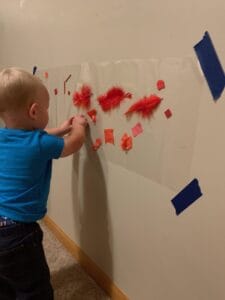
Some of my favorite ways to teach colors also strengthen fine motor skills. Activities like the Sticky Wall, painting, sensory bins, and color-based collages encourage children to pinch, place, sort, and squeeze—all great for hand development. You can explore the full color-themed activity series here.
General Crafts
One of my go-to crafts is this simple Giraffe Craft, which uses everyday supplies and focuses on gluing and piece placement.
Another favorite is the Good Samaritan Craft, a coloring and gluing activity that helps children practice coordination while learning a valuable story.
Letter of the Week Activities
My Letter of the Week Curriculum includes at least three fine motor activities per letter. It’s a great resource for developing your child’s fine motor skills while also building early literacy, phonics, and pre-reading foundations.

Favorite Fine Motor Tools:
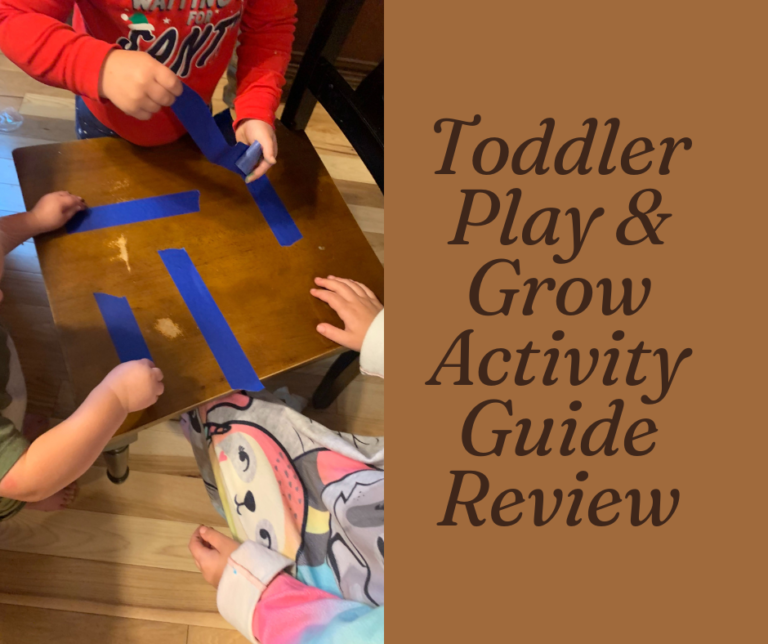
- Contact Paper to make a sticky wall or sticky table
- Painters Tape to help make the sticky wall or sticky table
- Art Supplies for all kinds of play
- Paint Sticks
- Dot Markers
- Sensory Bin with lid (contain that mess)
- Sensory Bin Toys
- Crayons (I only suggest small ones because it builds the skills better)
- Markers (thin are best to teach grip)
- Golf Pencils (these are the best to work on grip)
As your toddler or preschooler grows, their fine motor skills will develop right alongside them. Take time to celebrate each new milestone—every button fastened and crayon held is a step forward!
Remember, fine motor practice doesn’t have to be fancy. It can be woven into everyday life: let them help put on their clothes, try opening their own snacks, or pick up socks from the floor. These small moments build big skills.
Have a favorite fine motor activity or a proud parenting moment? Share it in the comments—I’d love to hear what’s working in your home!