This post contains affiliate links please see the Disclosure and Privacy Policy page for full disclosures here.
This post contains affiliate links please see the Disclosure and Privacy Policy page for full disclosures here.
These activities were inspired by the activities found in Curriculum Using Children’s Picture Books by Kelly Gunzenhauser and Sherrill B. Flora.

This week we are reading Clifford the Big Red Dog by Norman Birdwell. Here are a few math and critical thinking activities to go with the book.
Here is Chief Bliemeister from the Lincoln Police Department reading the book.
Chief Bliemeister from the Lincoln Police Department is seen here reading the book. This was super special for us as it a local police officer reading. I hope you enjoy his version as much as we did.
Activities:
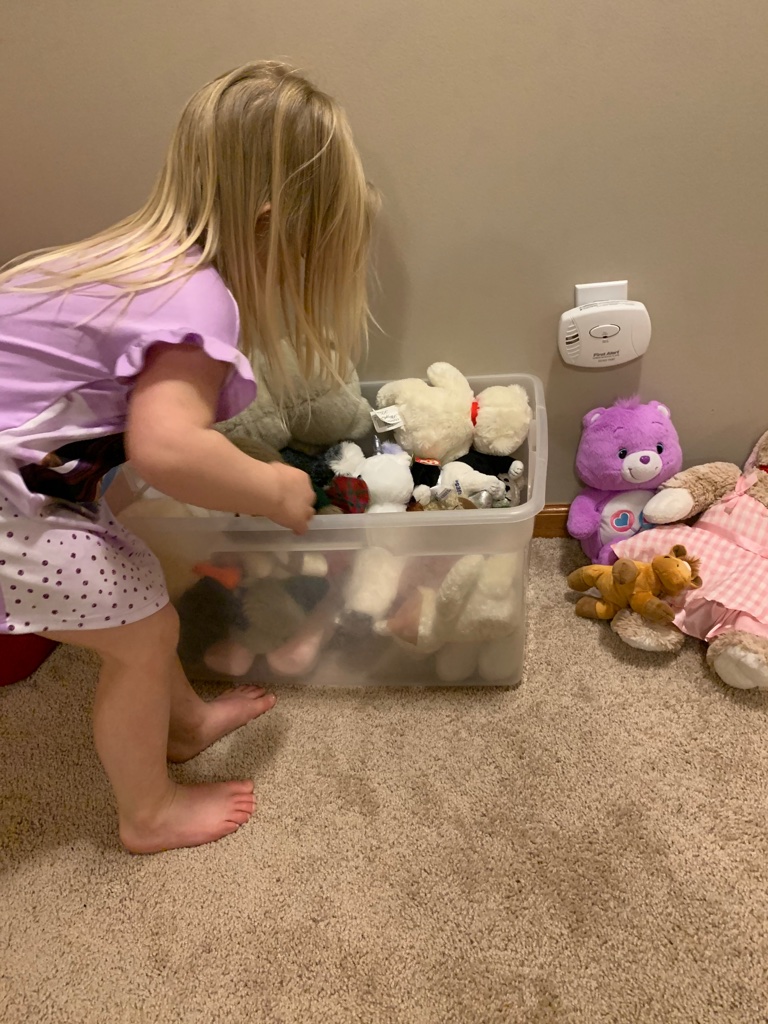
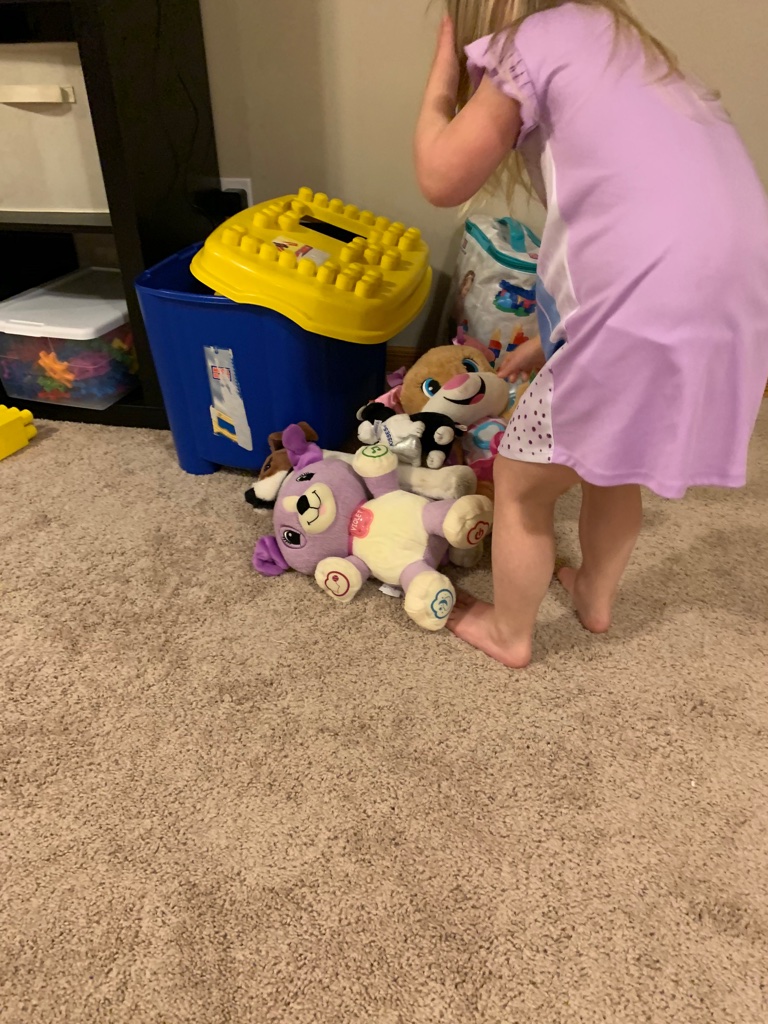
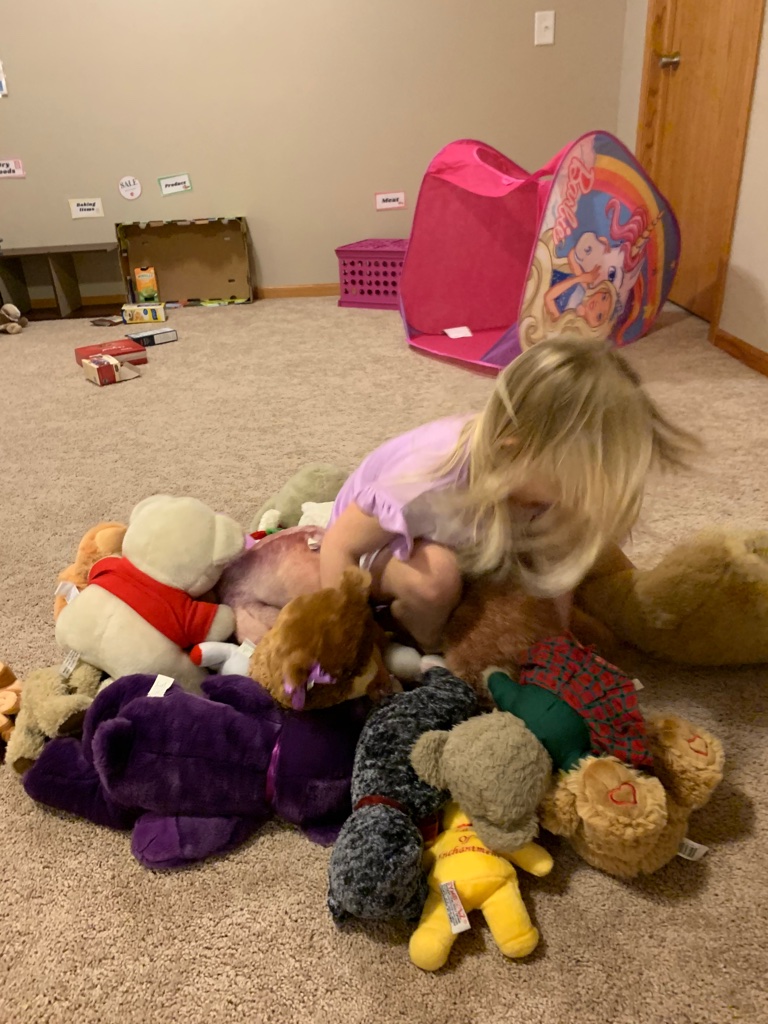
Sorting and Classifying Stuffed Animals
- Gather all your stuffed animals and have your child sort the animals by size, color, type of animal, and any other attribute they can do
- Have them count the amount of stuffed animals in each category- you could graph them as well if you want to
- Resort by a different attribute
Hide and Seek
In the book, Clifford tries to play hide and seek, so you can play the traditional hide and seek game with your child. Another way you can play this is by hiding stuffed animals around the room and have your child hunt for them (they could hide them for you or a sibling too).
Bone Math
This activity can be done at many different levels. All you need is some bones cut out of paper (the amount you need would depend on the activity):
- One activity is to have your child roll a dice and count out that many dog bones and place them in front of you. Then roll again and put that many more dog bones in front of them. Then count the total bones that are in front of them. This is a great way to introduce addition. You could also do this with just numbers written on the bones so that you write out the addition sentence.
- Another activity is to print out the dog bones and write numbers on them (up to 10 or 20 depending on your child). Print out another set and put dots on them (one dot on one bone, two dots on another bone, and so on). Have the children count the dots and and match it to the right number on the other set.
Books