This post contains affiliate links please see the Disclosure and Privacy Policy page for full disclosures here.
A strong math skills checklist for a rising homeschool kindergartener starts with learning how to count. But counting is just the beginning. Kindergarten math goes beyond reciting numbers. Kids need a solid foundation in number sense, patterns, and basic problem-solving to thrive.
Identify basic shapes and colors
The first skill on your math skills checklist for a rising homeschool kindergartener is shape and color recognition. It might seem small, but it’s the foundation for many future math concepts.
By the end of preschool, children should be able to identify basic 2D shapes—like circles, squares, and triangles—as well as basic colors.
Play is a great way to build this skill. Use shape-sorting toys, puzzles, or even snacks. As your child plays, name the shape and color out loud. Then start gently asking them to name each one themselves.
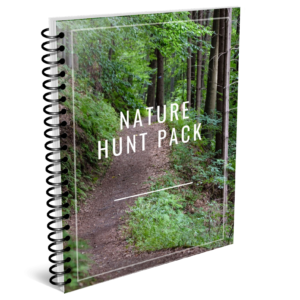
Practical Idea: Have your child go on a shape or color hunt. They can find something inside or outside that is a circle or the color purple. If you go on a nature walk, you can use my nature hunts to do a color hunt!
Sort and Classify Items
This skill builds on shape and color recognition. Once your child can name basic shapes and colors, they’re ready to sort and classify objects by those traits.
This is another skill on the math skills checklist for a rising homeschool kindergartener that’s easy to practice through play. As you play together, sort toys into groups. Put all the circles in one bowl. Gather all the yellow toys in one spot.
These simple activities help your child recognize patterns, organize objects, and think critically—essential foundations for kindergarten math.
Practical Idea: You can dump a large number of toys into a pile and have your child sort them and clean them by different attributes. This can not only teach how to sort and classify but can get the room cleaned up! A win-win!
Count to at least 10 and Recognize numbers
Counting can feel simple to us, but it’s often a tricky concept for preschoolers to master. Learning to count to 10 lays the foundation for future math skills like addition and subtraction.
You can build this skill naturally through play and everyday moments. Count blocks as you build, steps as you walk, or snacks as you serve them.
This playful approach makes it easier to check off an important item on your math skills checklist for a rising homeschool kindergartener.
Practical Idea: Making a trail mix is a great way to practice counting. Have your child add so many scoops of cereal or so many chocolate chips. This is a fun way to not only teach counting but also one-to-one correspondence.
Understand basic concepts of more and less
The concept of more vs. less can be tricky for preschoolers to grasp. But it’s a key skill that helps children understand how numbers relate to each other.
This early comparison skill sets the stage for addition, subtraction, and even future concepts like multiplication and division.
It’s easy to practice through play. As your child plays, ask simple questions like, “Who has more blocks?” or “Do I have less than you?” These everyday moments are a fun way to reinforce this concept.
Plus, it’s another essential item to include on your math skills checklist for a rising homeschool kindergartener.
Practical Idea: Have your child count a snack out for them and for you (or another child). Decide who has more or less and how to make it even. You can also set this up by giving each person an uneven amount of snacks so that your child has to figure out who has more and how many more. Snacks make learning so much more fun!
If you have any concerns, check out these ideas:
- Refer to Practical Ideas: Firstly, consider the practical advice provided above. These insights are from a former preschool teacher who transitioned into homeschooling.
- Practice Regularly: The adage “practice makes perfect” applies here. Model for your child the different skills by asking questions and identifying what you see around you. The more you model, the more your child will start to understand these math skills.
- Read Books: Grab books from the library about counting and other math concepts! Learn with your child!
- Seek Professional Guidance: Here is a great website from the Colorado Office of Early Childhood on math skills that can help you determine what skills are needed for your child at what stage. Should concerns persist, don’t hesitate to consult your child’s pediatrician. They can connect you with appropriate resources that can support your child’s growth. A different perspective or additional practice might make a significant difference.