
This post contains affiliate links please see the Disclosure and Privacy Policy page for full disclosures here.
Introducing grocery store dramatic play into your child’s routine offers a delightful and educational experience that fosters creativity, social skills, and practical knowledge. By setting up a grocery store dramatic play area at home, children can immerse themselves in a realistic shopping environment, taking on roles such as shopper, cashier, and store manager. This type of play not only entertains but also imparts valuable lessons in organization, mathematics, and communication.

Setting Up Your Grocery Store Dramatic Play Area
Creating a grocery store dramatic play space is straightforward and can be achieved with items readily available at home. Begin by designating a specific area in your living room or playroom to serve as the store. Utilize shelves or tables to display a variety of pretend food items, including empty cereal boxes, canned goods, and plastic fruits and vegetables. Adding small baskets or bins to categorize different types of food can help children organize their store just like a real grocery setup.
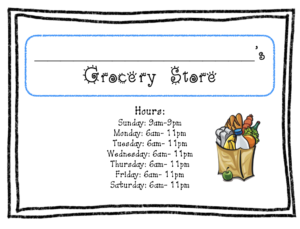
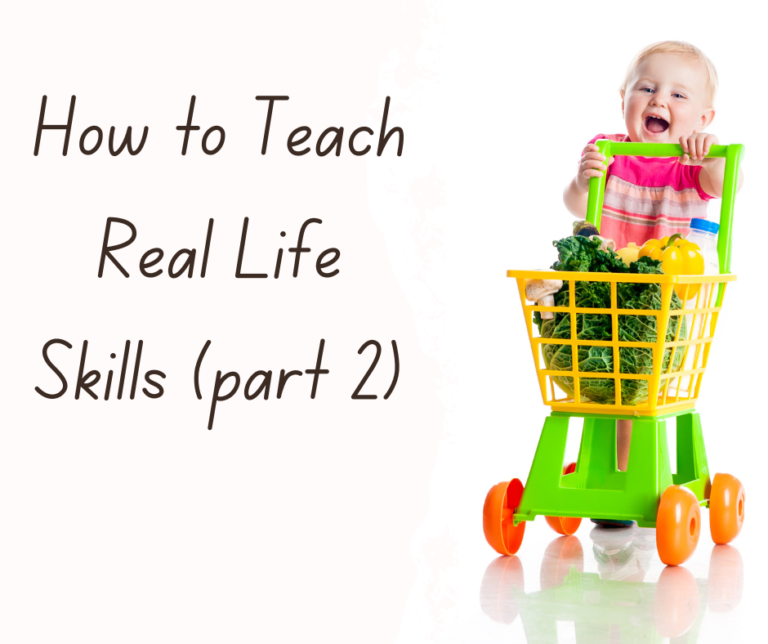
Incorporate shopping baskets or reusable bags to enhance the shopping experience. A small cart can further mimic the experience of navigating a grocery store. Setting up a checkout area with a toy cash register, play money, and even a receipt pad can make the play area feel more realistic. Including a scale for weighing fruits and vegetables can introduce early measurement concepts, reinforcing foundational math skills.

To add authenticity, consider using the printable materials such as store signs, department labels, and price tags. These elements help delineate different sections of the store and make the play more immersive. Hanging promotional posters or special sale signs can introduce children to real-world marketing and budgeting concepts. Stocking shelves with rotating items or seasonal displays can also keep the play fresh and exciting.
The store can have a unique name and custom signage, fostering a sense of ownership and creativity. The included signs and menus for a pretend deli or bakery section can further enrich the role-playing experience. Encouraging children to take turns as shoppers, cashiers, or stock clerks can provide additional learning opportunities and help develop problem-solving and social interaction skills.

Educational Benefits and Extensions of Grocery Store Dramatic Play
Grocery store dramatic play presents numerous educational benefits and can be expanded to create even more learning opportunities. Some key benefits and extensions include:
- Social and Communication Skills: As children take on roles such as cashiers, store managers, or shoppers, they practice greeting customers, making polite exchanges, and handling transactions, strengthening their language and interpersonal skills.
- Literacy Development: Shoppers can create and follow shopping lists, helping them recognize letters and words. Labeling shelves with department signs encourages word recognition and early reading skills.
- Mathematics Skills: Assigning prices to items and managing play money introduces foundational math concepts such as addition, subtraction, and currency recognition. Implementing sales and discounts teaches percentages and basic financial literacy.
- Organization and Classification: Sorting food into categories like produce, dairy, and bakery sections improves a child’s ability to group and categorize items, enhancing their cognitive skills.
- Real-World Problem-Solving: Involving siblings or friends in play fosters teamwork and cooperation. Children learn to navigate challenges such as budgeting play money or deciding how much to buy based on available funds.
By incorporating grocery store dramatic play into your child’s activities, you create a dynamic and educational environment that combines fun with essential life skills. This imaginative play setup not only entertains but also lays the foundation for real-world experiences, preparing your child for future social interactions and responsibilities in an enjoyable and interactive manner.
Click Here for your Grocery Store Pack Here





3 Comments